
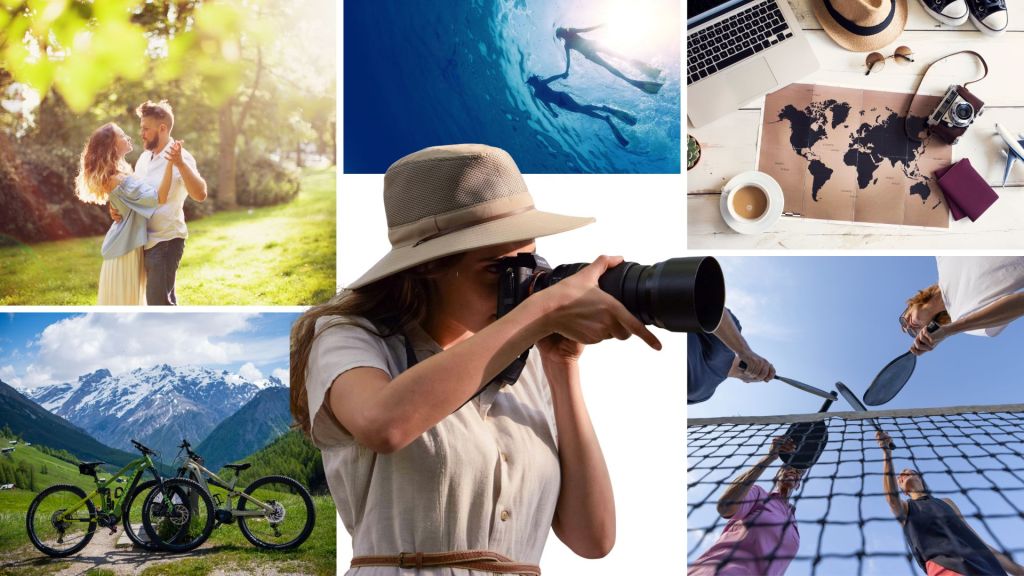
Whenever I tell someone I’m planning to retire early, I can almost see their mental map hit a dead end. It’s that combination of a long pause, a slightly tilted head, and a look of genuine concern, as if I’ve just told them I’m planning to permanently join a silent retreat. “But what will you do?” they ask. It’s a tone usually reserved for people who’ve just announced they’re planning to live in a tent in Alaska.
I’ve learned to bite my tongue. My honest answer is, “Everything I don’t have time for right now!” But I don’t usually say that out loud. I realize that for many of us, our jobs are our social lives and our safety nets. We like the coworkers, the title, and the predictable rhythm.
At 50-something, my biggest fear isn’t a lack of structure, it’s a lack of time. I don’t see retirement as an empty schedule. To the contrary, I see it as a graduation. After years immersed in wealth building, I’m convinced that money is a specialized tool, best used for life design.
I plan to manage that “extra” time through four high-impact activity portfolios:
I. The Adventure & Exploration Portfolio
(High Awe ROI)
Investments in perspective, wonder, and stamps in the passport. Rather than being just one-off trips, these form the foundation of what author Bill Perkins calls a “Memory Dividend”—an investment that pays you back in joy every time you look at the photos or tell the story for decades to come.
- Backpack through Europe or take a high-speed train across a continent.
- Experience the Northern Lights, the Great Wall of China, or the Seven Wonders of the World.
- Visit the Louvre, the British Museum, the Anne Frank House, or the Vatican.
- Soak in a hot spring or float in the Dead Sea.
- Go on a safari in the Serengeti or tour a castle.
- Spend the summer in Paris or Tuscany.
- Visit National Parks, National Forests, and State Parks across the US.
- Take a themed cruise, river expedition, or gondola ride in Venice.
- Explore the blue caves in Croatia or peruse the Smithsonian Museums.
- Island hop through Aruba, St. Lucia, the Bahamas, and Jamaica.
- Go ice skating, kayaking, or paragliding.
- Kiss under a waterfall (or two, or three).
II. The “Still Got It” Portfolio
(The Assets That Matter Most)
Investments in your health, grit, and the physical ability to enjoy your newfound freedom.
- Hike the Appalachian Trail, Inca Trail, or Rim-to-Rim of the Grand Canyon.
- Climb a mountain, a rock, or try bouldering.
- Learn to surf, kiteboard, or go white-water rafting.
- Train for a 5k, 10k, or marathon.
- Ski Aspen, Jackson Hole, or the Alps.
- Go scuba diving, snorkeling, or bodyboarding.
- Practice Tai Chi, Yoga, or work out at the Jungle Gym in Tulum.
- Play golf, tennis, or join the pickleball craze.
- Ride the world’s fastest roller coaster, or go bungee jumping.
- Bike the best of the Rails-to-Trails Hall of Fame.
III. The Curiosity Portfolio
(The Joy of Becoming a “Newbie” Once Again)
Investments in the refusal to stagnate and the thrill of learning from scratch.
- Learn a new language or master the art of calligraphy.
- Study art history, oceanography, or philosophy.
- Learn to play the violin, compose music, or whittle wood.
- Master the Rubik’s Cube, solve Sudokus, or tackle the NYT Connections.
- Finish “100 Books to Read Before You Die” or the NYT’s 100 best podcasts.
- Take an online course or attend a weekend workshop.
- Learn magic tricks, speed reading, or archery.
- Research your family tree or solve cold cases online.
- Learn origami, candle making, or wire weave jewelry.
- Roast your own coffee or try beekeeping.
IV. The Legacy & Love Portfolio
(The Connection Capital)
Investments in the people and purpose that define your true net worth.
- Visit loved ones for as long as you want—no return flight needed.
- Mentor young professionals or troubled teens.
- Serve on a community board or volunteer for your favorite cause.
- Host a mystery dinner, a game night, or a tea party.
- Write a novel, a blog, or a collection of poems.
- Review your estate plan to ensure your wealth serves the next generation.
- Hunt down old friends and reconnect over a long lunch.
- Scrapbook old photos and memorabilia to preserve family history.
Financial independence is meant to open doors, not close them. Don’t slow down into retirement. Graduate into the next phase of your life. Continue to thrive, redefine yourself, and do more of what fuels your sense of purpose. You could always go back to “working”—but only if it earns a spot in one of your portfolios.
In the end, time is our most precious resource. As Mark Twain suggests, we don’t want to reach our final breath and realize we were “too little loved and too little traveled.” I certainly won’t let my last thoughts be that I spent too much time in meetings and too little time with the people I love.
Subscribe for practical insights on money and meaning – delivered to your inbox.
What to Read Next
Ready for more inspiration, start here:
Financial Independence: My Top 12 Reasons Why
Digital, Financial, and Nutritional Detox: Reclaim Your Life
 penniesandpassion.com